
Hotline: +86 138 2658 5001
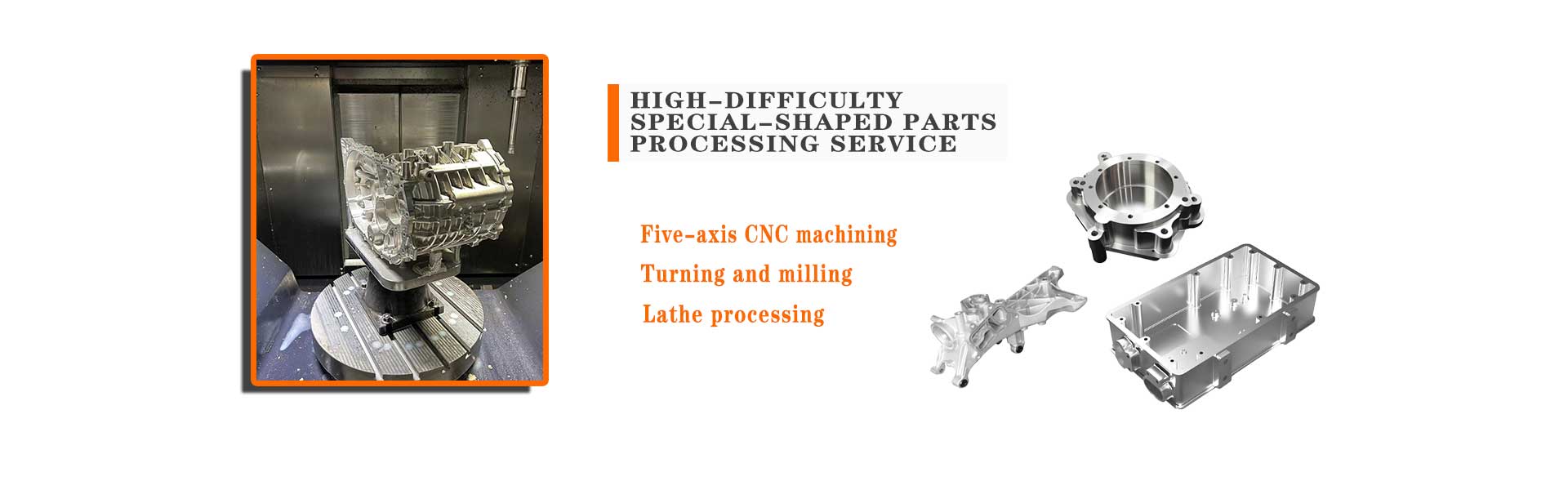
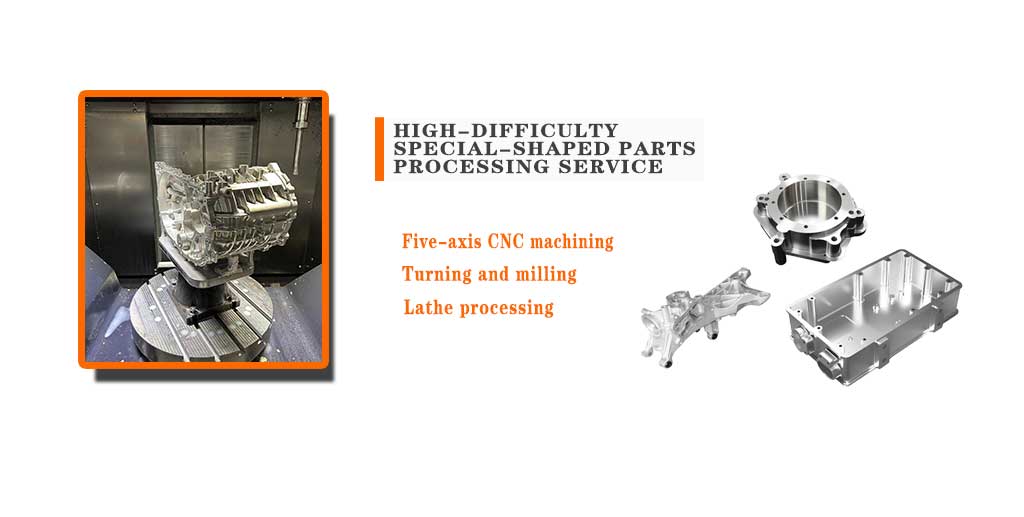
Machining manufacturers generally produce the following types of aluminum shells: new energy shells, communication shells, traffic signal box shells, precision aluminum shells for military equipment, electronic product shells, filter shells, custom-made shells for medical devices, and other CNC aluminum shell processing products. The surface of aluminum alloy shells can be treated with anodic oxidation after CNC processing to achieve a beautiful metallic appearance. Moreover, they are lightweight and have strong heat dissipation performance, making them an excellent choice for industrial equipment parts, electronic product shells, household appliances, and even daily-use products. To meet users' demands for diverse and high-quality aluminum alloy shell products, it is necessary to summarize processing techniques during the manufacturing process. Based on years of CNC processing experience, the following processing techniques should be noted in CNC aluminum shell processing.
Here are several points to note during the CNC processing of aluminum shells summarized by Chenju Precision:
CNC aluminum shell processing - Reducing the internal stress of aluminum shell blanks
Reducing the internal stress of aluminum block blanks: Natural or artificial aging or other treatments can partially eliminate the internal stress of the blanks. Pre-processing is also an effective process method. For blanks with relatively more residual materials, due to the large machining allowance of Beijing CNC, the deformation after processing is also likely to be large. If the excess parts of the blank are pre-processed and the milling allowance of the size requirement part is reduced, not only can the deformation in the subsequent processing be reduced, but also after the pre-processing and placing for a period of time, a part of the internal stress can be released, reducing the probability of deformation after the aluminum shell processing.
CNC aluminum shell processing - Reasonable cutting volume
These conditions are necessary for effectively reducing machine wear.
CNC aluminum shell processing - suitable cutting tools.
When performing rough machining on the shape and leftover material of aluminum alloy casings, it is generally advisable to choose high-strength and durable tools. This can better meet the production efficiency requirements during CNC rough machining. For fine machining, use other tools that comply with the drawing requirements.
CNC aluminum shell processing - Reasonable tooling fixtures.
To fully meet the user's usage requirements, the parts must be equipped with suitable fixtures to minimize unnecessary positioning errors. Generally, dedicated fixtures are selected for positioning aluminum shell workpieces.
CNC aluminum shell processing - Determine a reasonable processing route.
Try to shorten the processing route distance of the CNC machine as much as possible to reduce the machine's wear and idle running time.
CNC aluminum shell processing - Using special aluminum alloy cutting oil
Special cutting fluid is a medium that must be used in the CNC machining cutting process. During the machining process, it mainly serves to lubricate, cool and clean. Due to the continuous improvement of tools, equipment and processes in high-speed cutting, many cutting fluids can effectively protect the tools in ultra-high-speed cutting processes, improve process accuracy and cutting efficiency, and prevent deformation problems of aluminum shell workpieces during CNC machining.
In the mechanical processing of CNC aluminum shell, apart from the reasons mentioned above, the specific process route and operation methods are also very important in actual operation.
Chenju Precision focuses on CNC machining services, offering 3-axis, 4-axis, and 5-axis CNC machining, turning and milling compound processing, CNC lathe processing, and small-batch parts processing, etc. It excels in complex-structured workpieces and can customize special fixtures and jigs for projects. Each product undergoes at least four full inspection procedures, with a quality pass rate of 99.93%. It provides high-quality small-batch processing customization services for customers, with sample production within 3 days and delivery within 7 days.
In modern manufacturing, CNC (Computer Numerical Control) machining has become an important method for efficient and high-precision production. Whether it is metal, plastic or composite materials, CNC machining can achieve batch production of complex parts through digital programming. However, in actual operation, enterprises may still encounter some typical problems.
The processing accuracy does not meet the standard.
Solution suggestions: Regularly calibrate and maintain the machine tools; optimize the selection of cutting tools and cutting parameters based on material properties; adopt a layer-by-layer processing strategy to reduce the impact of cutting force on accuracy.
2. Surface quality defects
Solution suggestions: Enhance the clamping rigidity of the workpiece and the tool; use coolant reasonably and ensure it fully covers the cutting area; optimize CAM programming and adopt smooth transition tool paths.
3. Low processing efficiency
Solution suggestions: Apply high-speed cutting technology and high-performance tools; adopt composite tools to reduce tool changing frequency; optimize fixture design to achieve rapid positioning and clamping.
Chenju Precision focuses on CNC machining services, offering 3-axis, 4-axis, and 5-axis CNC machining, turning and milling compound processing, CNC lathe machining, and small-batch parts processing, etc. It excels in complex structural parts and can customize special fixtures and jigs for projects. Each product undergoes at least four full inspection procedures, with a quality pass rate of 99.93%. It provides high-quality small-batch processing customization services for customers, with sample production within 3 days and delivery within 7 days.
Non-standard parts processing refers to the process of manufacturing based on the non-standard product requirements and engineering drawings provided by customers. As the shapes and sizes of non-standard parts are different from those of regular parts, the processing usually requires the application of some special techniques.
Common processing methods in non-standard parts manufacturing:
CNC machining is a method of processing parts through CNC machine tools. According to the requirements of engineering drawings, information such as processing paths and cutting parameters is input into the control system of the CNC machine tool. The tool is automatically controlled by the CNC system to achieve high-precision part processing. CNC machining is suitable for processing various materials and has the advantages of high processing accuracy and high processing efficiency.
Milling is a method of cutting workpieces with a milling cutter on a milling machine. Milling can be used to process parts with complex shapes such as planes, grooves, and cams. Different milling methods such as plane milling, vertical milling, and extrusion milling can be selected according to the shape and requirements of the parts.
Turning is a method of rotational cutting processing of workpieces by a lathe tool on a lathe. Turning can be used to process shaft parts, disc parts, etc. According to the shape and requirements of the parts, different turning methods such as outer circle turning, inner circle turning, and chamfer turning can be selected.
Drilling is a method of hole processing on workpieces through drill bits on a drilling machine. Drilling processing can be used to process hole parts, such as hole processing, boring, etc. According to the requirements of the parts, different drilling methods such as single-hole drilling, multi-hole drilling, and reaming can be selected.
Cutting is a method of processing workpieces through equipment such as shearing machines and laser cutting machines. Cutting processing can be used to process flat parts, such as shearing flat plates and cutting plates. According to the requirements of the parts, different cutting methods such as shearing, cutting and laser cutting can be selected.
Welding is a method of processing workpieces through welding equipment. Welding processing can be used to connect multiple parts and achieve the processing of parts with complex shapes. According to the requirements of the parts, different welding methods such as arc welding, argon arc welding, and laser welding can be selected.
Laser marking is a method of marking workpieces through a laser marking machine. Laser marking processing can be used to mark and engrave characters on parts. According to the requirements of the parts, different marking methods such as laser engraving and laser marking can be selected.
Grinding is a method of processing workpieces through grinding machines. Grinding processing can be used to manufacture precise parts, such as precision shaft parts and molds. According to the requirements of the parts, different grinding methods such as cylindrical grinding, internal grinding, and surface grinding can be selected.
Casting is a process in which metal is melted and then poured into a mold to cool and solidify into shape. Casting processing can be used to manufacture parts with complex shapes, such as casting molds and cast iron parts. Different casting methods, such as sand casting and metal mold casting, can be selected according to the requirements of the parts.
Chenju Precision focuses on CNC machining services, offering 3-axis, 4-axis, and 5-axis CNC machining, turning and milling compound processing, CNC lathe machining, and small-batch parts processing, etc. It excels in complex-structured workpieces and can customize special fixtures and jigs for projects. Each product undergoes at least four full inspection procedures, with a quality pass rate of 99.93%. It provides high-quality small-batch processing customization services for customers, with sample production within 3 days and delivery within 7 days.
How to Choose the Right CNC Machining Manufacturer
When choosing a CNC processing manufacturer, in addition to inspecting its equipment configuration and technical capabilities, the following key factors should also be considered to ensure a smooth cooperation:
1.The level of detail in the quotation: A reliable factory will clearly break down items such as material costs, labor costs, surface treatment costs, and three-coordinate inspection costs in the quotation. If it is a lump sum price, there may be a risk of additional costs later.
2. Tolerance guarantee capability: It is necessary to inquire about the measuring equipment they use (such as whether they are equipped with a three-coordinate measuring instrument) and whether they can provide a full-size report. Relying solely on calipers for measurement usually cannot meet the requirements of precision parts.
3. Depth of technical communication: Professional manufacturers will proactively offer suggestions for process optimization (such as adjusting tolerances, modifying draft angles, etc.) after receiving the drawings. Those who merely inquire about quantity and delivery time might be intermediaries.
In addition, a comprehensive assessment should be made of the quality management system of the CNC processing manufacturer (such as ISO certification), its technological research and development capabilities, the response speed of after-sales service, and whether it supports customized demands.
Chenju Precision focuses on CNC machining services, offering 3-axis, 4-axis, and 5-axis CNC machining, turning and milling compound processing, CNC lathe machining, and small-batch parts processing, etc. It excels in complex-structured workpieces and can customize special fixtures and jigs for projects. Each product undergoes at least four full inspection procedures, with a quality pass rate of 99.93%. It provides high-quality small-batch processing customization services for customers, with sample production within 3 days and delivery within 7 days.
What is CNC machining mainly used for?
CNC machining is a manufacturing technology that uses computer-controlled machine tools to perform operations such as cutting, drilling, milling, turning, and grinding, for the production of various parts and components. CNC stands for Computer Numerical Control, which is an automated processing method that can precisely control the processing procedures through digital control instructions, thereby achieving high-precision and high-efficiency processing.
The application scope of CNC machining is extremely wide. From aircraft parts, automotive parts, ship parts, artificial bones, medical devices, to various industrial machinery, and even entertainment equipment, etc., all can apply CNC machining technology. Due to the characteristics of computer-controlled processing methods such as high efficiency, high precision, high quality, and high stability, CNC machining is increasingly widely used in the manufacturing industry.
The CNC machining process involves multiple steps. First, CAD drawings need to be designed and converted into digital G codes. Then, the G codes are transmitted to the CNC machine controller, and the machining parameters are set. During the machining process, the machine tools perform cutting, boring, milling and other machining operations according to the preset G code paths, and finally produce precise parts and components.
Overall, CNC machining is a very important manufacturing technology. It can help the manufacturing industry achieve large-scale production, efficient processing and high-quality production. With the continuous development of technology, CNC machining technology is also constantly evolving. In the future, CNC machining will be applied in more fields.
Chenju Precision specializes in precision parts processing services, offering 3-axis, 4-axis, and 5-axis CNC machining, turning and milling compound processing, CNC lathe processing, and small-batch parts processing, etc. It excels in handling complex-structured workpieces and can customize special fixtures and jigs for projects. Each product undergoes at least four full inspection procedures, with a quality pass rate of 99.93%. It provides high-quality small-batch processing customization services, with sample production within 3 days and delivery within 7 days.
What are the precautions for deep hole drilling processing?
No matter what deep hole products we are processing, there are corresponding precautions, especially for deep hole drilling processing.
Chenju Precision will introduce to you the precautions for deep hole processing:
Due to the limitations of small hole diameter, small diameter and large length of the tool rest, it results in poor rigidity, low strength, vibration, ripples and large taper during cutting, which affects the straightness and surface roughness of deep holes.
When drilling and reaming, if there is no dedicated equipment, it is difficult to inject the cooling and lubricating agent into the cutting area, which reduces the durability of the tool and also makes it hard to remove the chips.
During the deep hole drilling process, the cutting state of the tool cannot be directly observed. Based on work experience, it is only possible to determine whether the cutting process is normal by listening to the sound during the cutting, observing the chips, hand vibration and workpiece temperature, and observing the instruments (oil pressure gauge and ammeter).
4: Difficulties in chip removal. Reliable methods must be adopted to break the chips and control their length and shape to facilitate smooth removal and prevent chip clogging.
To ensure the smooth progress of deep hole drilling and achieve the required processing quality, it is necessary to add an internal (or external) chip removal device for the tool, a tool guiding bearing device and a high-pressure cooling and lubrication device.
Chenju Precision specializes in precision parts processing services, offering 3-axis, 4-axis, and 5-axis CNC machining, turning and milling compound processing, CNC lathe processing, and small-batch parts processing, etc. It excels in complex-structured workpieces and can customize special fixtures and jigs for projects. Each product undergoes at least four full inspection procedures, with a quality pass rate of 99.93%. It provides high-quality small-batch processing customization services for customers, with sample production within 3 days and delivery within 7 days.
When processing, if it's a small quantity, the quality is relatively easy to control because there's no rush and we can be more meticulous. However, when it comes to large batches, it's often difficult to keep an eye on everything. Therefore, to ensure quality, some techniques are needed. Let's take a look at them below.
Poor processing accuracy of batch precision parts is usually due to improper adjustment of the feed dynamic error between each axis during installation and adjustment, or changes in the transmission chain of each axis of the machine tool after use and wear. This issue can be resolved by readjusting and modifying the clearance compensation amount.
When the dynamic tracking error is too large and an alarm is triggered, the following can be checked: whether the speed of the servo motor is too high; whether the position detection component is in good condition; whether the contact of the position feedback cable connector is good; whether the corresponding analog output latch and gain potentiometer are in good condition; and whether the corresponding servo drive device is normal.
When the machine tool is in motion, overshoot may cause poor processing accuracy. This could be due to too short acceleration and deceleration times, in which case the time for speed changes can be appropriately extended. It could also be because the connection between the servo motor and the lead screw is loose or has too little rigidity. In such cases, the gain of the position loop can be appropriately reduced.
III. Excessive Roundness Error When Two Axes Are Linked
When processing precision parts, this kind of deformation may be caused by improper mechanical adjustment. Poor positioning accuracy of the shaft or improper compensation for the lead screw clearance can lead to roundness error when exceeding the limit.
(2) Oblique elliptical error
At this point, the position deviation values of each axis should be checked first. If the deviation is too large, the position loop gain can be adjusted to eliminate it. Then, check whether the interface board of the resolver or induction synchronizer is properly adjusted, and then check whether the mechanical transmission pair clearance is too large and whether the clearance compensation is appropriate.
If there are any subsequent projects requiring precision parts processing, you can send the drawings to this email for evaluation and quotation: info1@us.cjcncmachining.com
What should be noted when using a five-axis CNC vertical machining center?
1. Safety operation: When operating, it is essential to strictly follow the safety operation procedures to ensure the safety of personnel.
2. Parameter Settings: According to the requirements of the workpiece to be processed, set appropriate processing parameters, including speed, feed rate, and cutting depth, etc.
3. Clamping the workpiece: Before processing, the workpiece must be clamped correctly to ensure that it does not move or loosen during the processing.
4. Equipment commissioning: Before commencing processing, it is necessary to commission the equipment to ensure that all its functions are operating normally.
5. Tool selection: Select appropriate tools based on processing requirements to ensure processing quality and efficiency.
6. Machining path planning: For complex curved surface parts, it is necessary to plan the machining path in advance to ensure a smooth and accurate machining process.
7. Quality Inspection: After processing is completed, quality inspection of the processed parts is required to ensure that the processing quality meets the requirements.
In general, the usage of a five-axis vertical machining center requires attention to safety operation, parameter setting, workpiece clamping, equipment debugging, tool selection, processing path planning, and quality inspection, etc. Only by strictly following the operating procedures can the processing quality and efficiency be guaranteed.
What are the differences between three-axis, four-axis and five-axis CNC machining centers?
Three-axis, four-axis, and five-axis CNC machining are also terms frequently heard in our industry. They sound very sophisticated, but some users may not be able to explain exactly what they are.
It is still necessary to have a general understanding of these types of CNC machining. CNC milling machines are classified according to the number of axes they operate on. These movements determine the features of the parts that can be manufactured and also affect production efficiency and accuracy. Generally speaking, the more degrees of freedom available, the more complex the geometric shapes that can be produced. So, what are the differences between three-axis, four-axis, and five-axis? What are their respective advantages? And which products are they suitable for processing?
Three-axis CNC machining generally refers to three linear motion axes in different directions, such as up and down, left and right, and front and back. With three-axis machining, only one surface can be processed at a time, which is suitable for dry processing of some disc-shaped parts. However, for many parts that require holes or grooves to be machined on multiple surfaces, this is a limitation.
Two, four-axis CNC machining is achieved by adding a rotating axis to the three axes, usually a 360° rotation in the horizontal plane, but it cannot rotate at high speed. It is suitable for processing some box-type parts. Most four-axis CNC machines also allow the workpiece to rotate, which is called the B-axis. In this way, the machine can serve as both a milling machine and a lathe. If you need to drill holes on the side of a part or on the curved surface of a cylinder, four-axis CNC machining is the best choice. It greatly speeds up the processing and has high processing accuracy.
Three and five-axis CNC machining adds one more rotational axis on top of the four-axis. Generally, it is a 360° rotation on the vertical plane. Five-axis machining can achieve comprehensive processing, allowing for a single clamping, which can reduce clamping costs and minimize the risk of product scratches and damages.
How to choose a reliable machining manufacturer?
One: Processing capacity is the key.
When choosing a machining factory, the first thing to consider is the processing capacity. Processing capacity includes processing equipment, technical level and processing ability. A good machining factory must have advanced processing equipment and technical level, and be able to meet the processing needs of customers. At the same time, the processing capacity should also match the needs of customers. Different processing factories also have different processing capacities.
II. Quality certification is a necessary condition.
When choosing a machining factory, we also need to consider quality certification. A good machining factory must have ISO quality certification, which can prove that the machining quality of the factory has reached international standards. At the same time, we should also pay attention to the production environment, process flow and other aspects of the processing factory to ensure the reliability of the product quality.
Three, the level of service is also very important.
In addition to processing capabilities and quality certifications, service level is also a key factor in choosing a machining manufacturer. When selecting a good machining manufacturer, one should not only consider its processing capabilities and quality certifications, but also its service level. A good machining manufacturer should have a complete after-sales service system and be able to handle customers' problems and demands in a timely manner.
By considering the above three aspects, we can choose a suitable machining factory. Of course, we can also search online or consult friends to obtain more information. Selecting a good machining factory not only ensures the quality of the products but also better meets the needs of customers.
Chenju Precision specializes in precision parts processing services, offering 3-axis, 4-axis, and 5-axis CNC machining, turning and milling compound processing, CNC lathe processing, and small-batch parts processing, etc. It excels in handling complex-structured workpieces and can customize special fixtures and jigs for projects. Each product undergoes at least four full inspection procedures, with a quality pass rate of 99.93%. It provides high-quality small-batch processing customization services to customers, with sample production within 3 days and delivery within 7 days.
In ChenJu Precision, our technical sales staff will response to your custom CNC machining parts within 30 minutes with 1-to-1 online service. you will get the professional advice and save you R&D time.
get an instant quote