
Hotline: +86 138 2658 5001
What is CNC machining technology?
CNC machining is a widely used manufacturing technology in mechanical processing factories, representing Computer Numerical Control (CNC) machining. CNC machining utilizes computer-controlled precision machine tools to perform precise cutting, drilling, milling, turning, and other processing operations on workpieces based on pre-designed programs and instructions. The core of CNC machining lies in the combination of computer computing technology and the movement of mechanical processing machine tools. It controls the movement of machine tools through pre-written tool path programs to achieve high-precision processing of workpieces. Compared with traditional mechanical processing, CNC machining methods offer higher processing accuracy, faster processing speed, and greater flexibility, meeting the processing requirements of various complex shapes and sizes.
The CNC machining process typically involves the following steps: First, the master of the CNC machining factory creates a 3D model using programming software (such as SW, UG, MC) based on the drawing requirements of the workpiece, and generates the corresponding machining tool path, which is then output as G-code. Then, these codes are input into the control system of the CNC machine tool, and the machine tool automatically completes the machining process of the workpiece according to the code instructions. Throughout the machining process, the accuracy and stability of the machine tool are fully guaranteed, thus ensuring the machining quality of the workpiece.
CNC machining technology has extensive applications in multiple fields. In the aerospace industry, CNC machining can produce high-precision and high-strength components, meeting the strict requirements of aircraft. In the automotive manufacturing sector, CNC machining can efficiently produce key parts such as engines and chassis, enhancing the performance and safety of automobiles. Additionally, CNC machining is widely used in electronics, molds, medical devices, and other fields, providing strong support for the innovative development of various industries.
With the continuous development of intelligent manufacturing and industrial Internet of Things, the CNC machining technology of manufacturers in Beijing, Tianjin, Hebei, Shandong and surrounding areas is also constantly innovating and improving. On the one hand, the performance of CNC machine tools is constantly improving, and the processing accuracy and speed have reached new heights; on the other hand, CNC machining technology is combined with other advanced manufacturing technologies, such as CNC lathes and 3D printing technology, forming a more complete manufacturing system. These technological innovations have brought CNC machining manufacturers broader processing options and a wider range of customer applications.
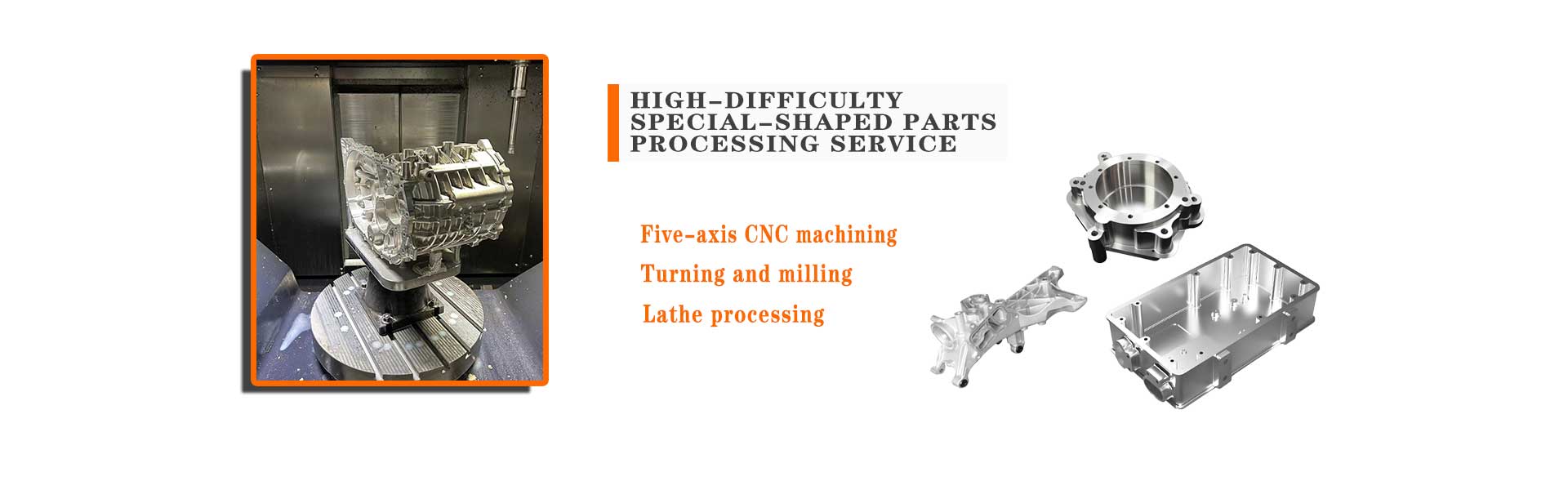
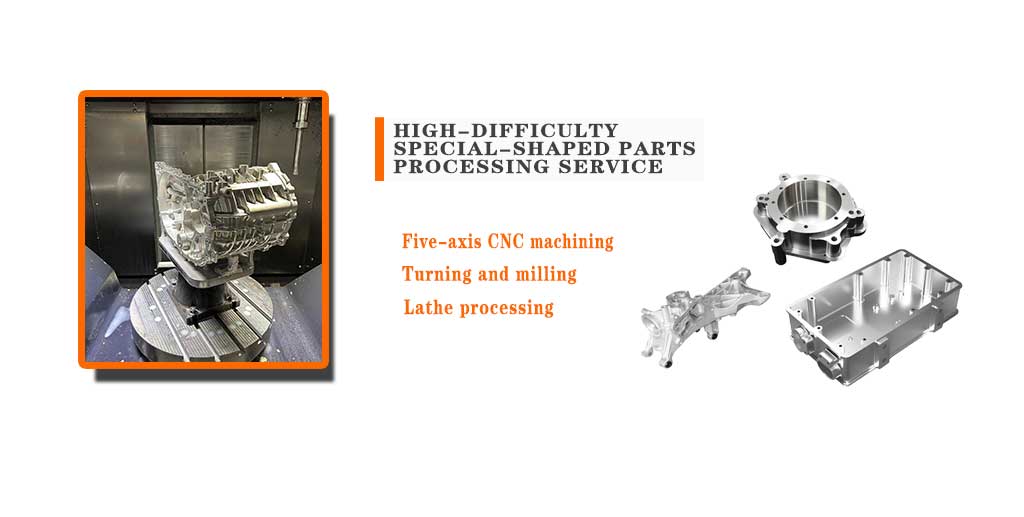
Chenju Precision specializes in precision parts processing services, offering 3-axis, 4-axis, and 5-axis CNC machining, turning and milling compound processing, CNC lathe processing, and small-batch parts processing, etc. It excels in handling complex-structured workpieces and can customize special fixtures and jigs for projects. Each product undergoes at least four full inspection procedures, with a quality pass rate of 99.93%. It provides high-quality small-batch processing customization services for customers, with sample production within 3 days and delivery within 7 days.
What is CNC machining technology?
CNC machining is a widely used manufacturing technology in mechanical processing factories, representing Computer Numerical Control (CNC) machining. CNC machining utilizes computer-controlled precision machine tools to perform precise cutting, drilling, milling, turning, and other processing operations on workpieces based on pre-designed programs and instructions. The core of CNC machining lies in the combination of computer computing technology and the movement of mechanical processing machine tools. It controls the movement of machine tools through pre-written tool path programs to achieve high-precision processing of workpieces. Compared with traditional mechanical processing, CNC machining methods offer higher processing accuracy, faster processing speed, and greater flexibility, meeting the processing requirements of various complex shapes and sizes.
The CNC machining process typically involves the following steps: First, the master of the CNC machining factory creates a 3D model using programming software (such as SW, UG, MC) based on the drawing requirements of the workpiece, and generates the corresponding machining tool path, which is then output as G-code. Then, these codes are input into the control system of the CNC machine tool, and the machine tool automatically completes the machining process of the workpiece according to the code instructions. Throughout the machining process, the accuracy and stability of the machine tool are fully guaranteed, thus ensuring the machining quality of the workpiece.
CNC machining technology has extensive applications in multiple fields. In the aerospace industry, CNC machining can produce high-precision and high-strength components, meeting the strict requirements of aircraft. In the automotive manufacturing sector, CNC machining can efficiently produce key parts such as engines and chassis, enhancing the performance and safety of automobiles. Additionally, CNC machining is widely used in electronics, molds, medical devices, and other fields, providing strong support for the innovative development of various industries.
With the continuous development of intelligent manufacturing and industrial Internet of Things, the CNC machining technology of manufacturers in Beijing, Tianjin, Hebei, Shandong and surrounding areas is also constantly innovating and improving. On the one hand, the performance of CNC machine tools is constantly improving, and the processing accuracy and speed have reached new heights; on the other hand, CNC machining technology is combined with other advanced manufacturing technologies, such as CNC lathes and 3D printing technology, forming a more complete manufacturing system. These technological innovations have brought CNC machining manufacturers broader processing options and a wider range of customer applications.
Chenju Precision specializes in precision parts processing services, offering 3-axis, 4-axis, and 5-axis CNC machining, turning and milling compound processing, CNC lathe processing, and small-batch parts processing, etc. It excels in handling complex-structured workpieces and can customize special fixtures and jigs for projects. Each product undergoes at least four full inspection procedures, with a quality pass rate of 99.93%. It provides high-quality small-batch processing customization services for customers, with sample production within 3 days and delivery within 7 days.
How are the machining accuracy grades of CNC machining classified?
The classification of CNC machining accuracy grades can be comprehensively analyzed from multiple dimensions as follows:
I. Classification Based on IT Tolerance Grades
High-precision grade: IT01 to IT5, with tolerance ranges from micrometers to sub-micrometers, is suitable for applications in precision instruments, aerospace, and other fields. For instance, mirror grinding can achieve above IT5, with surface roughness Ra ≤ 0.01 μm.
Ordinary grade: IT9 to IT18, with a tolerance range of over 100 micrometers, is suitable for agricultural machinery and rough machining scenarios. For example, rough milling is at IT11 to IT13 grade, with a surface roughness of Ra = 20 μm.
II. Classification Based on Machine Tool Performance
It is suitable for general mechanical processing, such as the manufacturing of electronic devices and general components.
Precision grade (M grade)It is applied in ultra-precision processing scenarios such as optical components and microelectronics.
III. Segmentation by Processing Capacity and Technology
Tolerance: ≥ 0.1mm (below IT9), surface roughness Ra ≥ 1.6μm, such as rough turning and drilling.
IV. Extended Classification of Special Machine Tools
Multi-axis CNC machining center: It can achieve complex surface processing through five-axis or more linkage, with a precision up to IT7 level.
The classification of CNC machining accuracy requires a comprehensive consideration of tolerance grades (IT system), machine tool performance indicators (positioning/repositioning accuracy), and specific process capabilities. When making actual selections, the machining method and machine tool grade should be matched according to the functional requirements of the parts. For instance, aerospace parts require high-precision machine tools (IT5 grade), while ordinary grades (IT8 grade) are sufficient for agricultural machinery components.
Chenju Precision specializes in precision parts processing services, offering 3-axis, 4-axis, and 5-axis CNC machining, turning and milling compound processing, CNC lathe processing, and small-batch parts processing, etc. It excels in complex-structured workpieces and can customize special fixtures and jigs for projects. Each product undergoes at least four full inspection procedures, with a quality pass rate of 99.93%. It provides high-quality small-batch processing customization services for customers, with sample production within 3 days and delivery within 7 days.
1.The oxidation reaction of the aluminum alloy material after oxidation and the cutting fluid
As we all know, aluminum alloy has low plasticity, a relatively low melting point, and good thermal conductivity. When processing aluminum alloy, if the lubricity and cooling performance of the cutting fluid do not meet the requirements, it will lead to the phenomenon of tool adhesion during the processing of aluminum alloy parts, and the chip removal performance will be greatly reduced. If this cycle repeats, the tool is prone to corrosion, increasing the probability of tool breakage. Moreover, when processing aluminum parts, the content of magnesium and silicon inside should be considered. If the magnesium content is high, saponification is likely to occur, at which time the cutting fluid used for processing is prone to lose its lubricating function and also easily causes tool breakage. At the same time, aluminum alloy is a very sensitive amphoteric metal and is prone to oxidation chemical reactions in the air.
2. Corrosion of aluminum alloy parts by cutting fluid
White spots are caused by the insufficient cleaning ability of the cutting fluid. There are residues of cutting fluid on the surface of the parts. The pH value of the cutting fluid is very important. If the pH value is too high, it will corrode the parts. If the pH value is too low, it will allow bacteria to multiply, affecting the stability and performance of the cutting fluid.
After the aluminum alloy parts processed by CNC are oxidized, it is best to use special aluminum alloy cutting fluid. The pH value is generally maintained between 8.5 and 9.5. Moreover, the selection of dilution water is also very strict. Many ions in water are prone to cause corrosion to aluminum. If the ion content is too high, it will reduce the rust prevention properties of the cutting fluid, especially during the rust prevention between processes. For example, chloride ions, sulfate ions and heavy metal ions, etc. Therefore, it is advisable to choose dilution water with a relatively low hardness or water that has been softened through ion exchange to ensure the performance and service life of the cutting fluid.
Chenju Precision specializes in precision parts processing services, offering 3-axis, 4-axis, and 5-axis CNC machining, turning and milling compound processing, CNC lathe processing, and small-batch parts processing, etc. It excels in complex structural parts and can customize special fixtures and jigs for projects. Each product undergoes at least four full inspection procedures, with a quality pass rate of 99.93%. It provides high-quality small-batch processing customization services for customers, with sample production within 3 days and delivery within 7 days.
What are the advantages of CNC precision parts processing?
In the CNC machining industry, the machining accuracy often largely determines the quality of the machined parts. CNC precision parts machining itself is a highly demanding processing method. Compared with traditional processing methods, it can achieve better results and has many advantages that other processing methods do not possess. So, what are the advantages of CNC precision parts machining? Let's have a brief introduction from Chenju Precision:
1.Multi-axis control linkage: Generally, three-axis linkage is the most commonly used, but through some adjustments, it is possible to achieve machining centers with four-axis, five-axis, seven-axis, or even more linkage axes.
2. Parallel connection of machine tools: The functions of common machining centers are relatively fixed. By combining machining centers with turning centers or vertical and horizontal machining centers, the processing range and capacity of the machining centers can be expanded.
3. Tool damage early warning: By using certain technical detection methods, the wear and damage of tools can be detected in a timely manner and an alarm can be raised. This enables the timely replacement of tools to ensure the processing quality of parts.
4. Management of tool life: It is possible to manage multiple tools working simultaneously and multiple inserts on the same tool uniformly to enhance production efficiency.
5. Overload power-off protection for machine tools: Based on the load during the production process, the maximum load level is set. When the load reaches the set value, the machine tool can automatically power off and shut down to protect itself.
Chenju Precision specializes in precision parts processing services, offering 3-axis, 4-axis, and 5-axis CNC machining, turning and milling compound processing, CNC lathe processing, and small-batch parts processing, etc. It excels in complex structural parts and can customize special fixtures and jigs for projects. Each product undergoes at least four full inspection procedures, with a quality pass rate of 99.93%. It provides high-quality small-batch processing customization services for customers, with sample production within 3 days and delivery within 7 days.
Precision five-axis CNC machining is a high-precision and high-efficiency processing method, featuring the following advantages:
1.High processing accuracy: Five-axis CNC machining can perform cutting simultaneously in multiple directions, enabling the processing of more complex shapes and curves, and ensuring the precision and surface quality of the machined parts.
2. High processing efficiency: Five-axis CNC machining can perform cutting simultaneously in multiple directions, reducing tool changes and improving processing efficiency. At the same time, the processing path can be optimized through an intelligent processing system, reducing processing time.
3. Long tool life: As five-axis CNC machining can distribute the processing force more evenly, it reduces tool wear and extends the tool's service life.
4. Capable of processing complex structural components: Five-axis CNC machining can achieve the processing of complex structural components without the need for multiple clamping of the workpiece or switching of processing equipment, significantly enhancing processing efficiency and accuracy.
5. Save labor costs: Five-axis CNC machining can achieve automated processing, reducing the need for manual intervention and operation, and lowering labor costs.
6. Wide application range: Five-axis CNC machining is suitable for processing various materials such as metals, plastics, ceramics, etc., and can meet the processing requirements of different industries and fields.
7. High flexibility: Five-axis CNC machining can achieve cutting in different directions and flexibly adjust the machining path, meeting the processing requirements of different workpiece shapes and sizes.
Overall, precision five-axis CNC machining has advantages such as high precision, high efficiency, long service life, wide application range and strong flexibility. It can meet various complex processing requirements and is an important processing technology in modern manufacturing.
Chenju Precision focuses on precision parts processing services, offering 3-axis, 4-axis, and 5-axis CNC machining, turning and milling compound processing, CNC lathe processing, and small-batch parts processing, etc. It excels in complex structural parts and can customize special fixtures and jigs for projects. Each product undergoes at least four full inspection procedures, with a quality pass rate of 99.93%. It provides high-quality small-batch processing customization services for customers, with sample production within 3 days and delivery within 7 days.
What are the advantages of five-axis CNC machining?
The main advantages of five-axis CNC machining include:
Complete multi-face processing in one clamping to reduce the number of clamping operations.
By rotating the worktable or the spindle, a five-axis machining center can be coordinated and controlled. With a single clamping, multiple surfaces can be machined, eliminating the need for multiple clamping and adjustments, thus significantly reducing the number of clamping operations.
2: Adapt to the processing of high-difficulty parts
Five-axis machine tools can process more complex three-dimensional geometric shapes, including some irregular parts and complex curved surfaces that traditional three-axis machine tools cannot complete, such as integral impellers, propeller blades, deep cavities and narrow slot structures of precision molds.
3: Reduce tool wear and save production costs
During five-axis CNC machining, the cutting force distribution of the tool is uniform, avoiding problems such as vibration and chipping caused by the overhang of long tools in three-axis machining, reducing tool wear and scrap rate. At the same time, it reduces the cost input of subsequent auxiliary processes such as grinding and polishing.
4: Shorten the production cycle and improve surface quality
Five-axis CNC machining can reduce the frequency of tool changes, avoid repetitive positioning errors, and save the time for multiple clamping, positioning and debugging. Meanwhile, five-axis machining can use shorter tools for processing, and the surface finish of the processed parts is also higher.
Chenju Precision specializes in precision parts processing services, offering 3-axis, 4-axis, and 5-axis CNC machining, turning and milling compound processing, CNC lathe processing, and small-batch parts processing, etc. We are proficient in handling complex-structured workpieces and can customize special fixtures and jigs for projects. Each product undergoes at least four full inspection procedures, with a quality pass rate of 99.93%. We provide high-quality small-batch processing customization services, with sample production within 3 days and delivery within 7 days.
If there are any subsequent projects that require five-axis CNC machining, please send the drawings to this email address for evaluation and quotation: info1@us.cjcncmachining.com
Can the aluminum alloy battery box be processed in small batches by CNC?
With the rapid development in the new energy sector, aluminum alloy battery boxes have become an indispensable part of the electric vehicle industry. However, for many manufacturers, how to efficiently and precisely produce and process aluminum alloy battery boxes remains a challenge. In recent years, with the continuous development and maturity of CNC machining technology, CNC small-batch processing has become a highly regarded solution.
CNC small-batch processing technology is used to process aluminum alloy battery boxes. Compared with traditional manual processing and conventional mechanical processing, CNC small-batch processing has many advantages.
Firstly, CNC small-batch processing can significantly enhance production efficiency. With the aid of a computer control system, operators can pre-set the processing procedures and parameters through programming, and then the processing can be carried out automatically. This not only saves labor costs but also reduces the impact of human factors on processing quality, improving the consistency and precision of products.
Secondly, CNC small-batch processing can achieve the processing of complex shapes. Aluminum alloy battery boxes usually have complex structures and curves. Traditional manual processing and conventional mechanical processing are difficult to meet the requirements of precision and consistency. However, through CNC small-batch processing, the movement path and processing depth of the cutting tool can be precisely controlled according to the CAD model, achieving precise processing of aluminum alloy battery boxes.
In addition, CNC small-batch processing can also reduce costs. Although the investment in CNC equipment is relatively high, due to its high efficiency and precision, it can reduce material waste and the rate of defective products, thereby lowering production costs. Moreover, CNC small-batch processing also has the advantages of short production cycles and strong flexibility, allowing for quick adjustments to production plans based on demand and meeting changes in market demands.
In conclusion, the aluminum alloy new energy battery box can be produced efficiently and precisely through CNC small-batch processing technology. CNC small-batch processing has advantages such as improving production efficiency, achieving complex shape processing, and reducing costs, which brings huge business opportunities and competitive advantages to manufacturers.
Chenju Precision focuses on precision parts processing services, offering 3-axis, 4-axis, and 5-axis CNC machining, turning and milling compound processing, CNC lathe processing, and small-batch parts processing, etc. It excels in complex structural parts and can customize special fixtures and jigs for projects. Each product undergoes at least four full inspection procedures, with a quality pass rate of 99.93%. It provides high-quality small-batch processing customization services for customers, with sample production within 3 days and delivery within 7 days.
What requirements are there for materials in precision parts processing?
The requirements for materials in precision parts processing include high strength, hardness, wear resistance, corrosion resistance, good thermal and electrical conductivity, density and uniformity, and ease of processing. These requirements can ensure the stability, durability, reliability and cost-effectiveness of the parts.
The material must possess the characteristics of high strength and hardness to ensure that the processed parts have structural stability and durability. The high strength of the material can withstand external forces and pressures, and is less likely to deform or break, thereby guaranteeing the reliability and safety of the parts during use. The hardness of the material, on the other hand, can reduce wear and deformation of the parts during operation.
2. The materials should have good wear resistance and corrosion resistance to ensure that the parts will not be damaged due to friction and chemical erosion during long-term use. Wear-resistant materials can reduce the friction between parts and other components, extending the service life of the parts, while corrosion-resistant materials can resist chemical erosion and prevent the parts from corroding and being damaged in harsh environments.
3. The material should have good thermal conductivity and electrical conductivity to ensure that the parts can effectively dissipate heat and conduct electricity during operation. Good thermal conductivity can quickly conduct the heat generated by the parts away, avoiding deformation and damage caused by excessive temperature. Good electrical conductivity can ensure the smooth flow of current within the parts, preventing the parts from burning out due to excessive current.
4. The density and uniformity of materials are also important factors to be considered in the processing of precision parts. The density of materials affects the weight and volume of parts. For some mechanical parts with limited space, low-density materials can reduce the weight of parts and lower the burden on the overall structure. Meanwhile, the uniformity of materials ensures the consistency of the internal structure of parts and avoids processing errors and instability of part performance caused by the non-uniformity of materials.
The machinability of materials is also one of the factors that need to be considered in the processing of precision parts. Materials that are easy to machine can improve processing efficiency and quality, reduce processing costs and time. At the same time, materials that are easy to machine can also reduce the wear and tear on equipment and tools during the processing, and extend the service life of equipment and tools.
Chenju Precision focuses on precision parts processing services, offering 3-axis, 4-axis, and 5-axis CNC machining, turning and milling compound processing, CNC lathe processing, and small-batch parts processing, etc. It excels in complex structural workpieces and can customize special fixtures and jigs for projects. Each product undergoes at least four full inspection procedures, with a quality pass rate of 99.93%. It provides high-quality small-batch processing customization services for customers, with sample production within 3 days and delivery within 7 days.
How to Judge the Strength of a CNC Machining Manufacturer
To judge the strength of a CNC processing manufacturer, it mainly depends on these five dimensions, which will help you quickly identify reliable partners:
I. Equipment Precision: High-precision equipment is the foundation.
The number of machine tools with a spindle repeat positioning accuracy of ≤0.003mm indicates that the manufacturer has stricter control over details.
II. Process Accumulation: Experience Determines Quality
Special process cases: For example, internal hole honing of special-shaped tubes, one-time forming of internal hexagons, etc., can reflect the technical depth of the manufacturer.
III. Delivery Resilience: Timely Delivery is Key
On-time delivery rate: The on-time delivery rate in the past 12 months is a hard indicator to measure the reliability of a manufacturer.
IV. Quality Traceability: Systematic Management Ensures Quality
Four-level scanning code traceability: From furnace batch number to delivery, the entire process is traceable, ensuring better quality.
V. Response Speed: Service Efficiency Reveals the Truth
Re-work rate: The lower the re-work rate, the more effective the quality control.
Tip: Prioritize manufacturers with advanced equipment, mature processes, stable delivery, traceable quality, and prompt response for a more worry-free cooperation.
Chenju Precision focuses on precision parts processing services, offering 3-axis, 4-axis, and 5-axis CNC machining, turning and milling compound processing, CNC lathe processing, and small-batch parts processing, etc. It excels in complex structural parts and can customize special fixtures and jigs for projects. Each product undergoes at least four full inspection procedures, with a quality pass rate of 99.93%. It provides high-quality small-batch processing customization services for customers, with sample production within 3 days and delivery within 7 days.
In ChenJu Precision, our technical sales staff will response to your custom CNC machining parts within 30 minutes with 1-to-1 online service. you will get the professional advice and save you R&D time.
get an instant quote