In modern manufacturing, CNC (computer numerical control) machining technology has become an integral part of industrial production. CNC machining can process a wide range of materials, from metals to plastics, wood, and even composites, with exceptional precision and efficiency. Understanding the range of materials CNC machining can process is crucial for manufacturers. The diverse range of materials CNC can process will help you make informed decisions when selecting materials.
What is CNC machining?
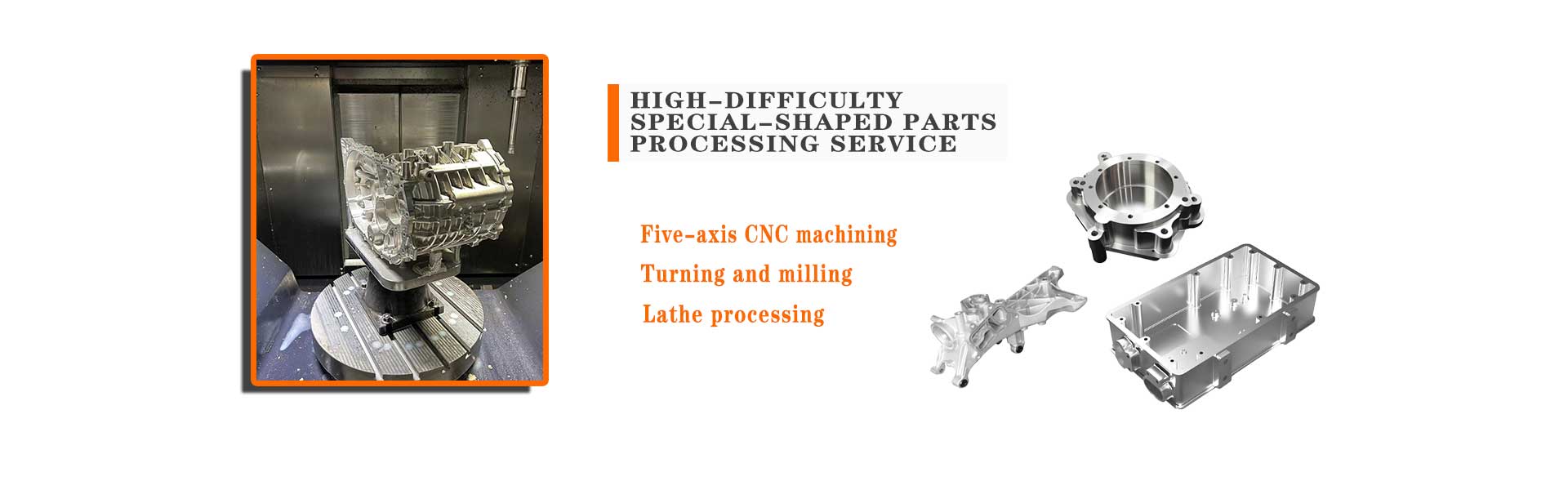
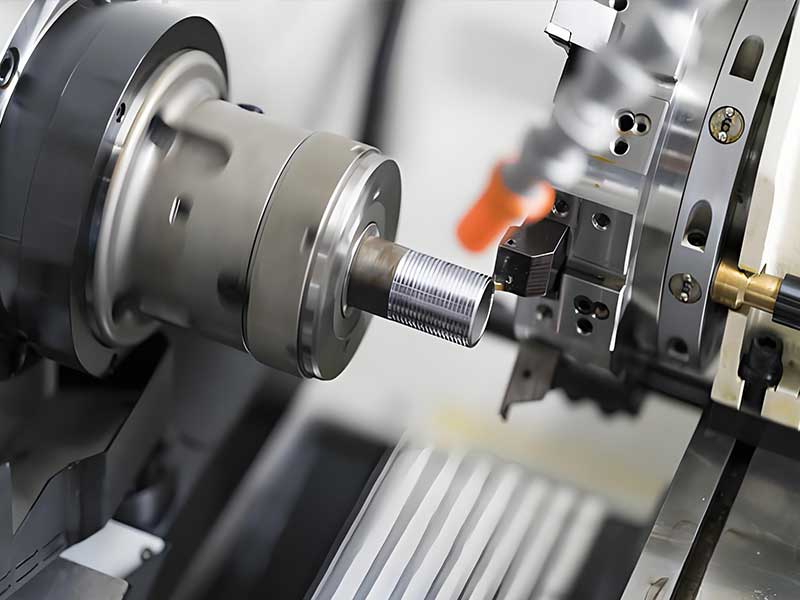
CNC machining involves automated cutting processes using computer-controlled machine tools. Common examples include turning, milling, drilling, and grinding. CNC machining technology excels in high precision, efficiency, and repeatability, making it suitable for manufacturing parts with a wide range of complex shapes. Whether you're manufacturing metal parts, plastic components, carving wood, or precision machining composite materials, CNC technology offers a solution.
Material Types CNC Machining
CNC machining is highly adaptable and can process nearly any type of material. The following are some common material types and their applications in CNC machining:
1. Metals:
Metals are one of the primary applications of CNC machining. CNC technology is capable of precisely machining a wide variety of metal materials, including but not limited to:
Aluminum Alloys: Aluminum alloys are one of the most commonly used metals in CNC machining due to their lightness, ease of machining, and excellent corrosion resistance. Common aluminum alloys include 6061, 7075, and 5052. CNC machining of aluminum alloys is suitable for manufacturing high-precision parts in aerospace, automotive parts, electronic equipment housings, and other applications.
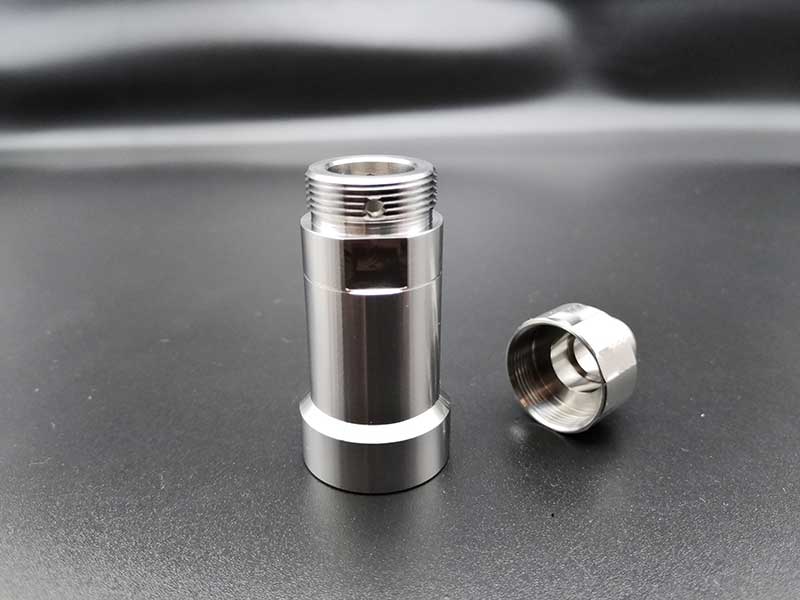
Stainless Steel: Due to its corrosion resistance and high strength, stainless steel is widely used in the medical device, food, and automotive industries. Common stainless steel grades include 304, 316, and 420. Due to its high hardness, wear-resistant tools are required when CNC machining stainless steel.
Titanium Alloys: Due to its high strength, light weight, and high-temperature resistance, titanium alloys are widely used in the aerospace, military, and medical industries. CNC machining of titanium alloys typically requires strong tools and advanced cooling systems.
Copper Alloys: Copper alloys have excellent electrical and thermal conductivity and are widely used in the manufacture of electrical, electronic, and heat exchange components. CNC machining of copper alloys typically produces extremely high precision and smooth surfaces.
2. Plastic Materials
CNC machining is not limited to metals; a variety of plastic materials can also be efficiently machined. Plastics, with their low density and excellent processing flexibility, are widely used in the manufacture of consumer electronics, automotive parts, home appliances, and medical devices.
ABS (Acrylonitrile Butadiene Styrene): ABS plastic offers strong impact resistance and machinability, making it commonly used in the manufacture of appliance housings and automotive parts. CNC machining of ABS produces smooth surfaces and precise dimensions.
Polycarbonate (PC): Polycarbonate offers excellent transparency and impact resistance, making it suitable for the production of transparent or translucent parts such as optical lenses and protective covers.
Nylon: Nylon is widely used in the production of parts for the machinery, electronics, and other industries due to its excellent wear resistance, corrosion resistance, and impact resistance. CNC machining of nylon can produce fine parts and excellent surface finishes.
3. Special Materials
In addition to common metals, plastics, wood, and composites, CNC machining technology is also suitable for machining some special materials, such as ceramics, glass, and stone.
When selecting materials for CNC machining, consider the following factors:
Hardness and Strength: The hardness and strength of different materials will affect the choice of tool and the difficulty of machining. Harder materials (such as titanium alloys) may require higher cutting capacity.
Surface Treatment Requirements: Some parts may require special surface treatments, such as coating, polishing, or hardening. Surface treatment methods vary from material to material, and choosing the right material will help achieve better surface quality.
Size and Complexity: The size and shape of the material also determine the selected machining process. Some complex parts may require materials with higher precision to be successfully machined.
Summary
CNC machining technology offers a wide range of material processing options for the manufacturing industry, capable of processing a wide range of materials, including metals, plastics, wood, and composites, meeting the needs of diverse applications. Whether it's high-precision metal parts or complex plastic and composite components, CNC can provide a machining solution.
If you have future projects requiring CNC machining, please send your drawings to this email address for a quote and evaluation:
info1@us.cjcncmachining.com